Ways of seeing the past
Welcome!
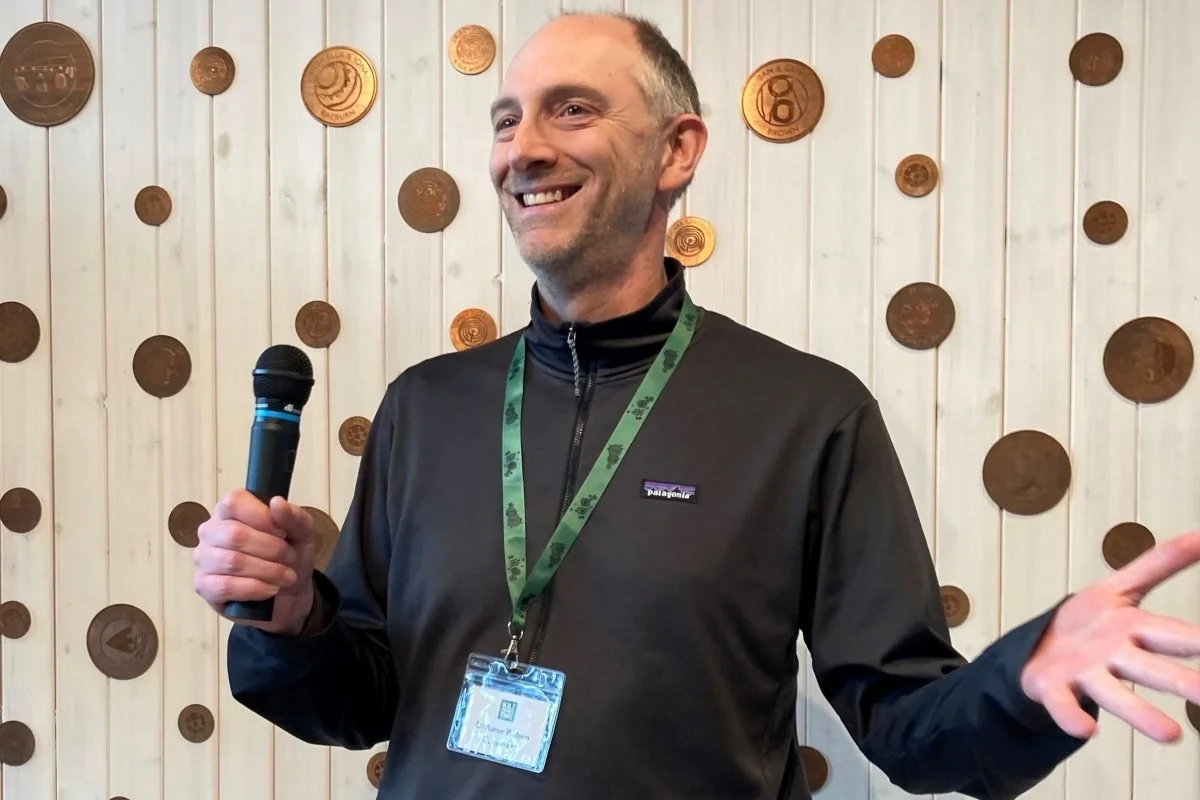
I’m Dr. Aaron Watson, an archaeologist, illustrator, and filmmaker, and founder of Monumental, a research-driven creative practice .
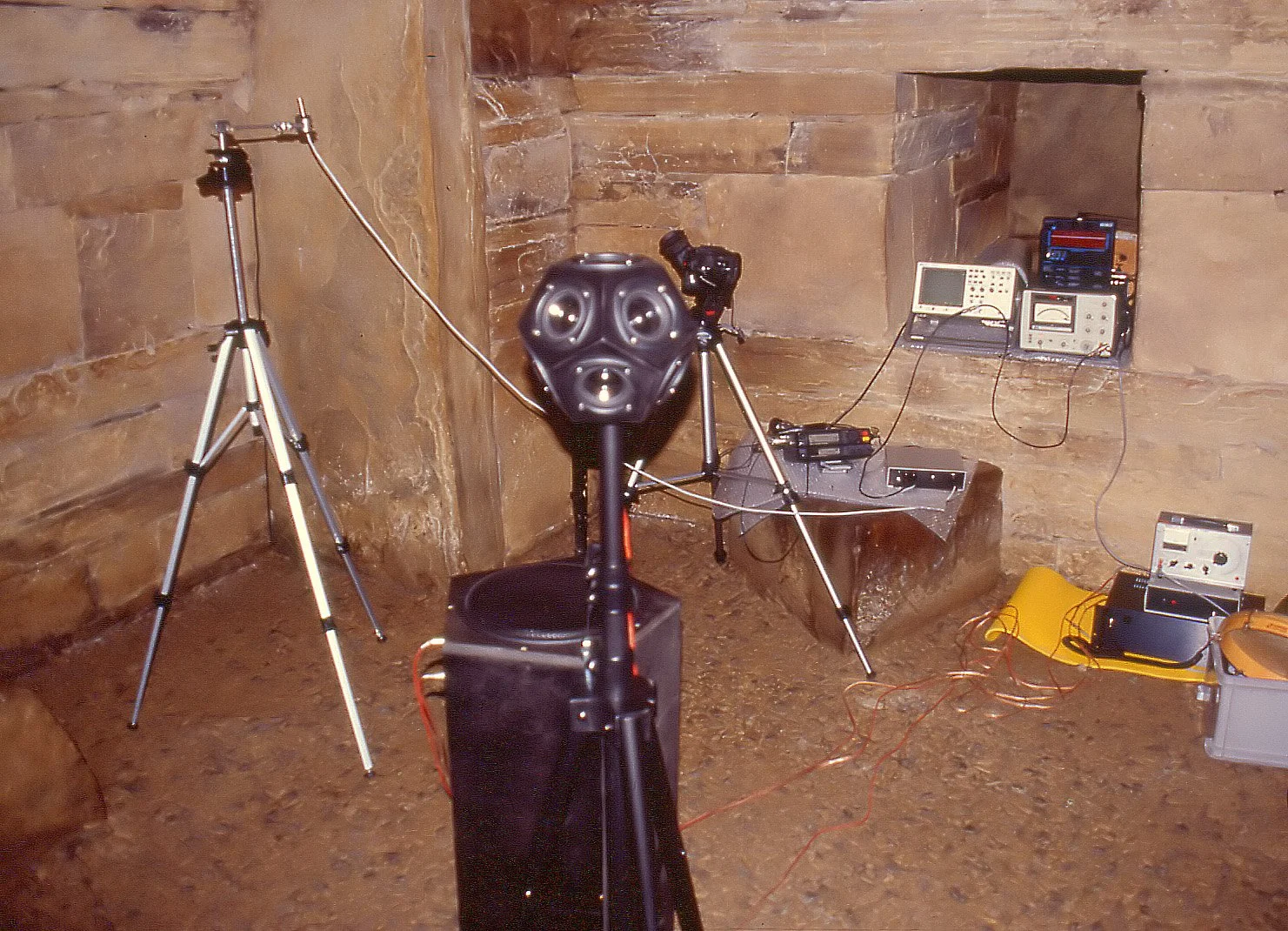
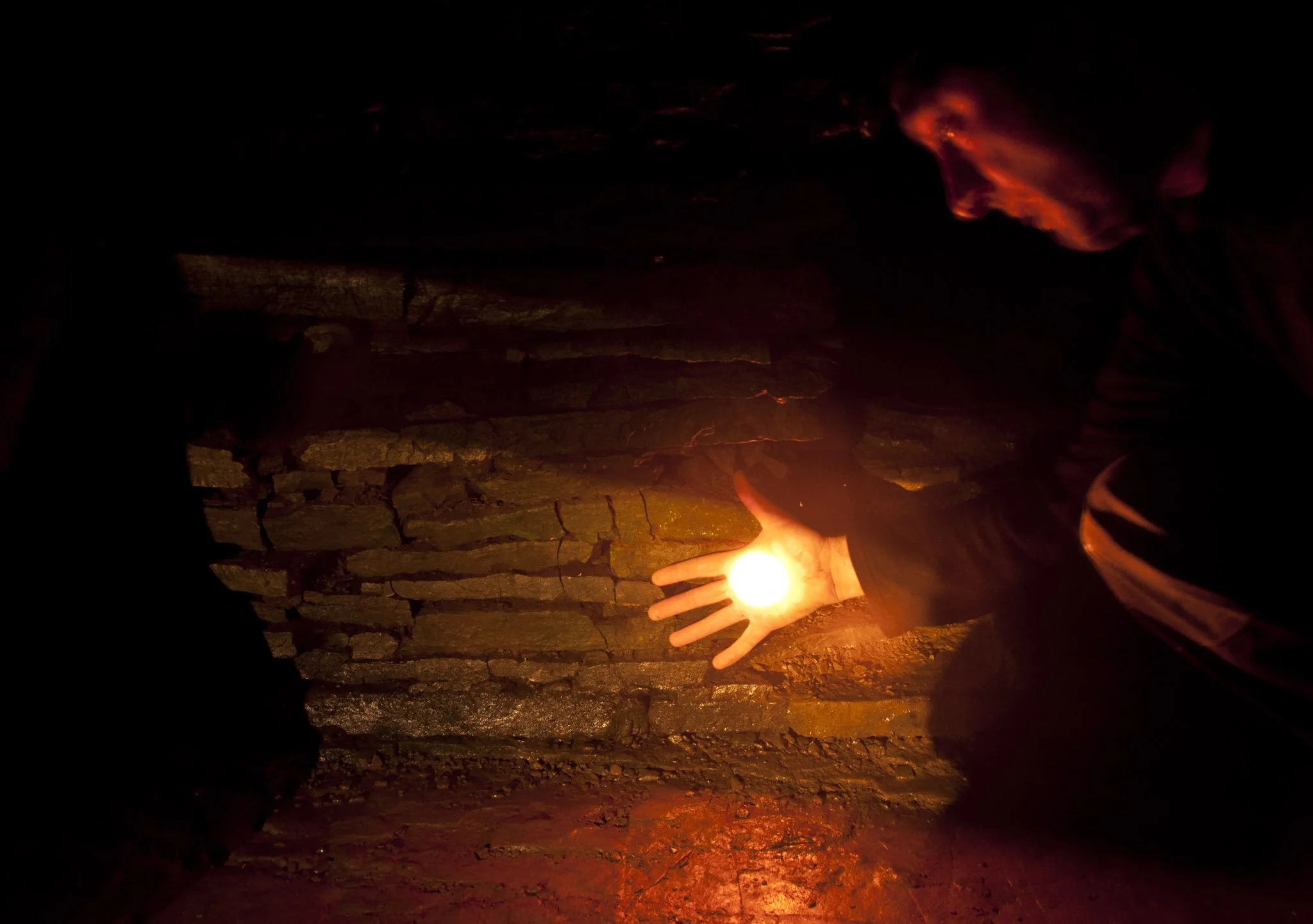
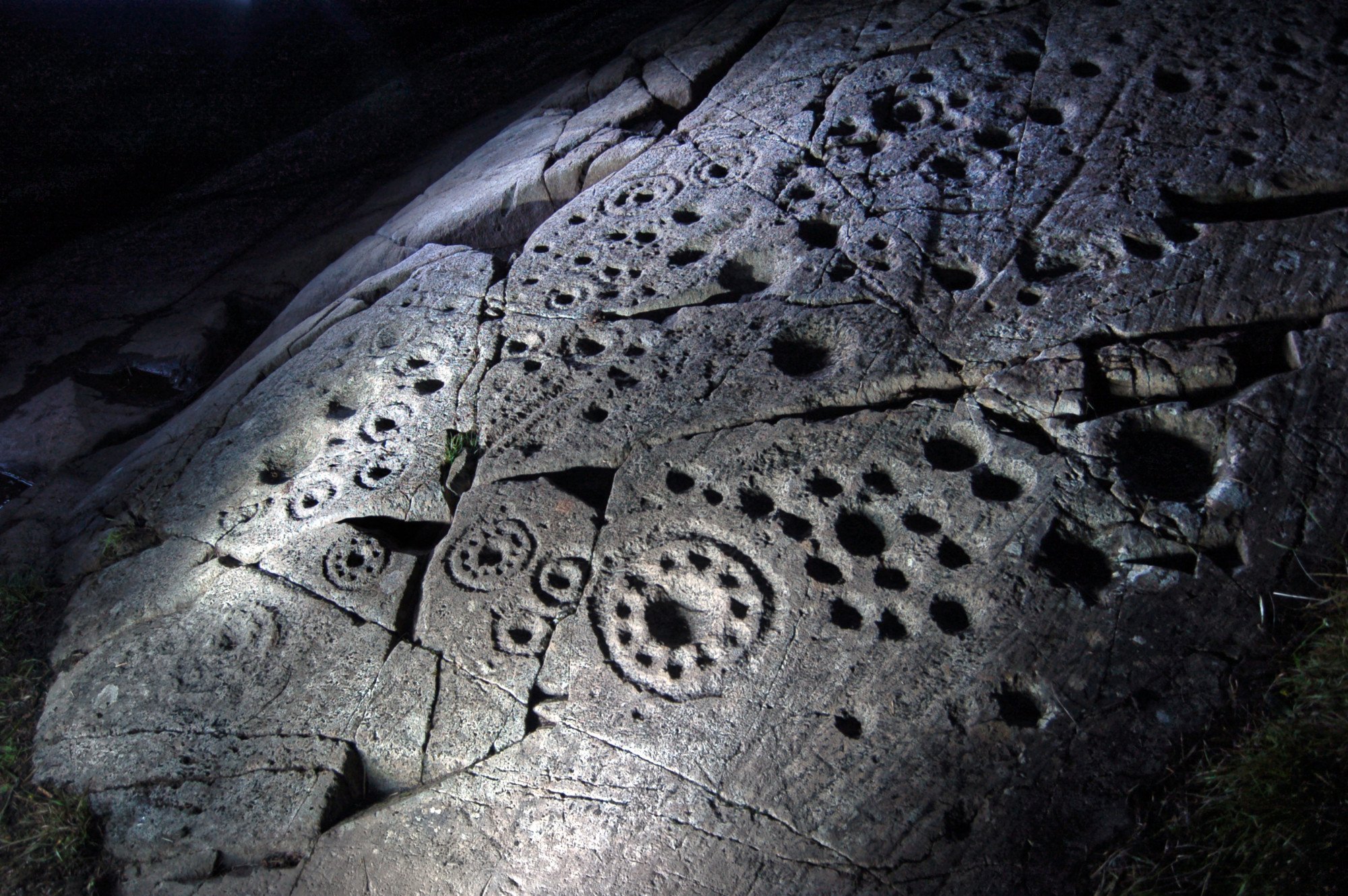
For over thirty years, I have explored chambered cairns, stone circles, and rock art sites created thousands of years ago by Neolithic and Bronze Age communities. I often ponder how these sites were used and why their legacies continue to resonate today. Monuments serve as tools for communities to remember and preserve knowledge. My investigations aim to uncover the ideas embedded within these ancient places through the sensory experiences they evoke, particularly their acoustic, optical, and spatial qualities. My research allows us to engage with the distant past in new ways, inviting fresh perspectives on the world.
Creative practice
I started Monumental in 2002 to offer innovative approaches to visualization, reconstruction, film, animation, and photography for academia and the heritage industry. Steve Keeling joined me in 2007 bringing design and additional 3D visualisation skills to the practice. Our projects have included site-specific installations, digital reconstructions, video storytelling, community archaeology, contributions to television, publications, curatorial consultancy, and master planning.
Monumental philosophy
I believe that understanding history is about rediscovering new perceptions of the world. My work blends scholarship and creativity to uncover insights that inform our design and storytelling. Ancient marks on stone, landscape alignments and architectural style are not merely remnants; they reflect the decisions and expressions of past communities. By studying these, we aim to develop richer ways of communicating with modern audiences.
This philosophy guides everything we do, whether I am examining a rock art on a hillside or creating digital visualizations of a Roman burial. It is an inclusive journey, and collaborated with researchers, artists, museums, and heritage organizations, to bring the past to life through academic knowledge and creative interpretation.
Oh! One more thing…
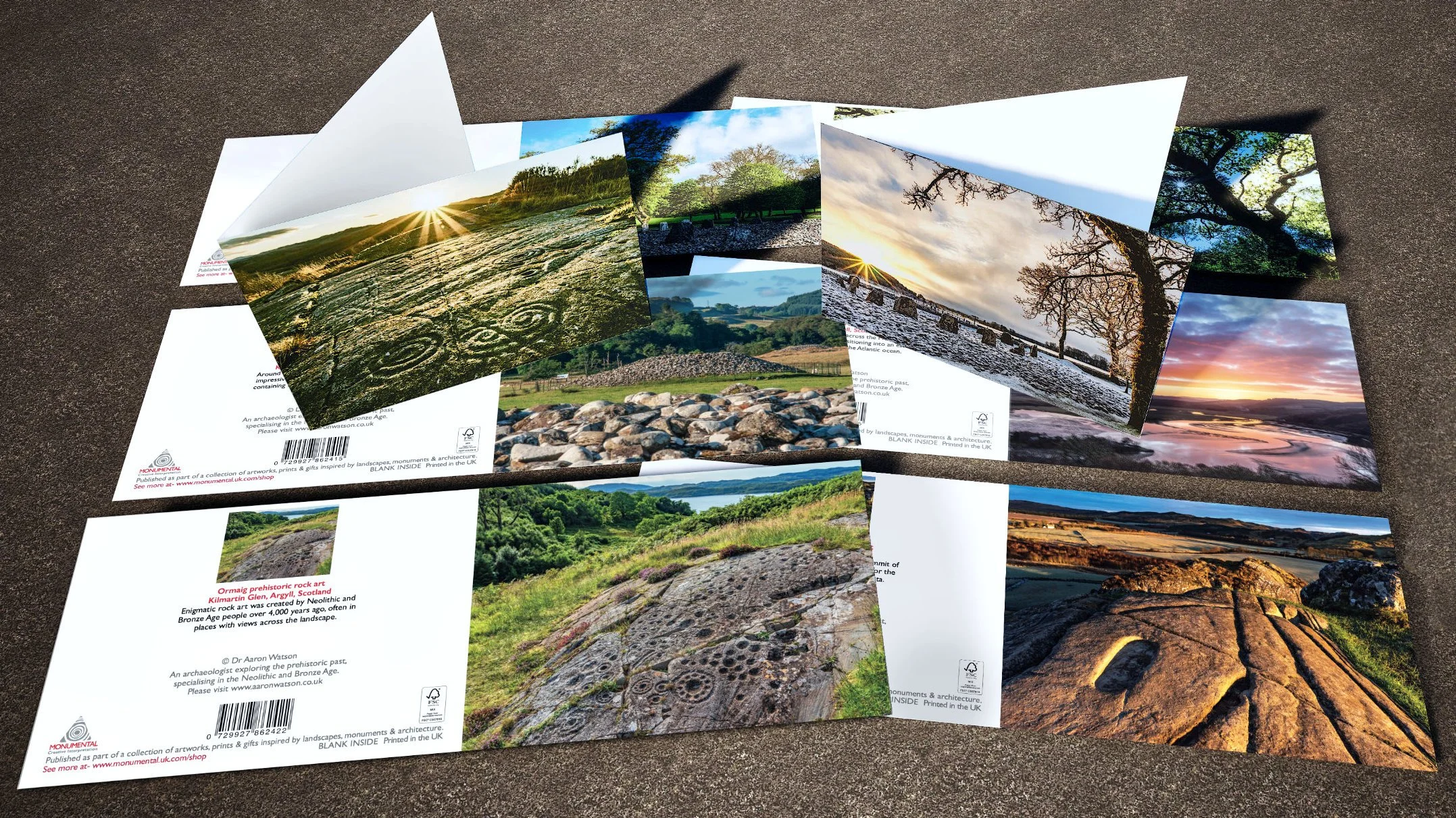
Monumental also has a gallery shop featuring prints, gifts, and visual works inspired by my research and our interests. Each piece reflects themes of place, perception, and time, helping to support our ongoing archaeological and creative investigations.
Updates…
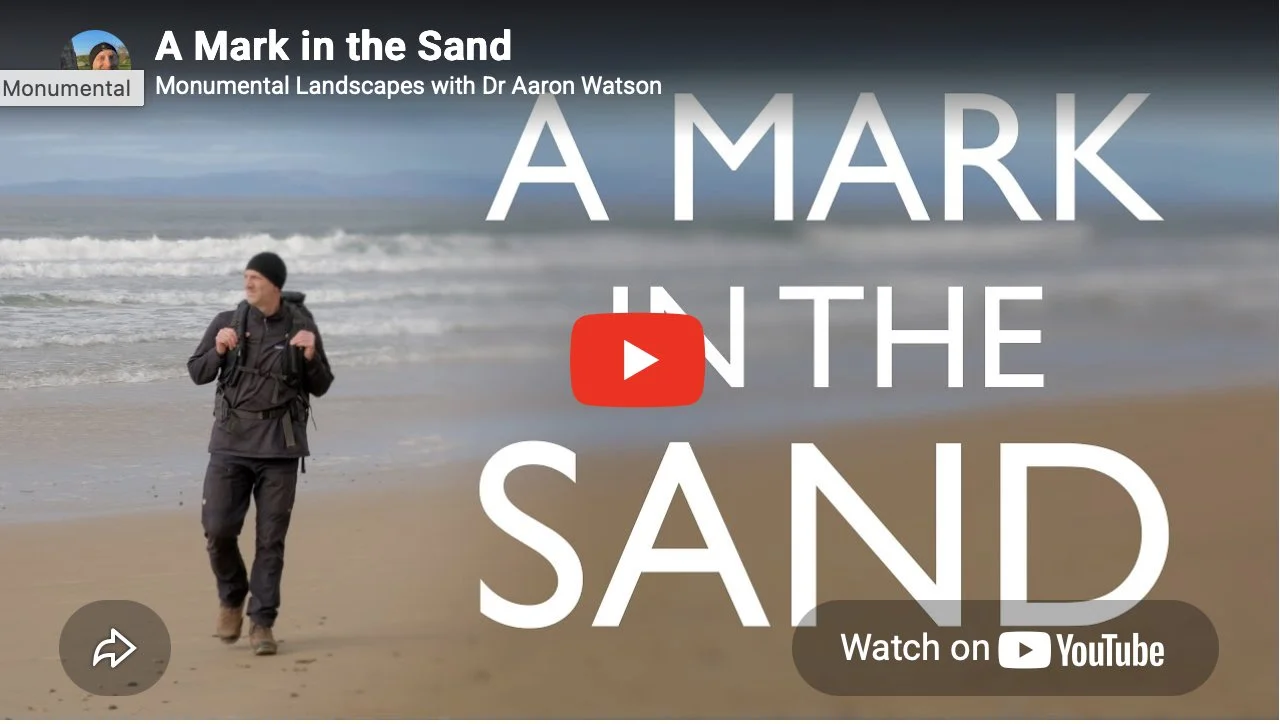
A Mark in the Sand begins a new journey into archaeological thinking. Filmed at sunset on Scotland’s west coast, this short introduces Monumental Landscapes—a channel exploring archaeology as a lived, sensory experience.
This film is a beginning—a mark in the sand.
New technology and state-of-the-art projectors now deliver a unique, dramatic, and informative sound and light show. This creative presentation adds to the experience when visitors venture underground.
Giving new life to an existing building, improving visitor access and providing information about the SSSI and ancient woodland on the Heights of Abraham estate.
The ‘Vision’ takes shape at the Heights of Abraham, Matlock Bath, Derbyshire as groundworks are completed and buildings repurposed. The vision is to bring the estate’s history back into focus as it continues to play a leading role in Derbyshire tourism.
Beneath where the bridge stood, 3,600 Roman objects were found. Our job was to interpret and visualise how the bridge may have looked and been used.
Titled, A Mirror on the Past, the exhibition reflects on how fashion and dress codes have evolved over the last 250 years and how dressing for a day out has changed from high cost, high fashion and ‘Sunday best’ to the very casual attire of shorts and tee shirts we see today.
Woodland Corner: a classroom, exhibition, demonstration area and picnic spot. Developed as a stand alone venue within the woodland environment.
Covid-19 has made many demands on venues to keep their visiting public safe. We worked with our client to create more all weather outdoor spaces using historic reference as our inspiration.
Monumental recently completed a heritage review and the creation of the ‘Heights Vision’. Decision-makers now have reference material, a master plan and strategy to identify how the estate’s heritage can be used for thematic interpretation and engagement with modern audiences.
Earlier in the year, Aaron Watson was interviewed at an archaeological site in western Scotland for the first episode in the new series of BBC TV’s Grand Tours of Scotland’s Lochs, which was broadcast this week.
The wait is over… Kilmartin Museum has received a confirmed grant of £3.2 million from the Heritage Lottery Fund (HLF) bringing their total fundraising close to the £6.7million target.
This May and June, Aaron Watson has been working with with two media companies on film projects in Argyll, Orkney and Wiltshire.
Aaron Watson was in Kilmartin Museum this week to photograph the Coll Hoard. This remarkable collection of Bronze Age artefacts has recently been returned to the Museum following the completion of specialist conservation procedures.
Aaron Watson has presented a research paper to the Theoretical Archaeology Group conference, hosted by Cardiff University.
Aaron Watson is working with the Kilmartin Museum Redevelopment Project as a Curatorial Advisor.
In early June, Aaron Watson spent a day in Llangollen Museum recording an unusual medieval stone slab using photography and photogrammetry. The final results are now available...
Aaron Watson has been interviewed by BBC Radio 4 for an episode of Open Country. Aaron was asked to interpret prehistoric rock carvings in the light of excavations he co-directed with Professor Richard Bradley.
Earlier in the year Kilmartin Museum launched a crowdfunding campaign featuring our photography. The Museum recently announced that it has now raised the funds required to preserve the Coll Hoard.
After crossing the wintry Cairngorm mountains from Inverness, Aaron Watson had the chance to visit one of a series of Pearls in Peril panels Monumental produced for Scottish Natural Heritage in 2016.
Aaron Watson spent a day working with Dr. Sharon Webb, Curator at Kilmartin Museum, photographing a variety of vulnerable Bronze Age artefacts excavated on the Isle of Coll. The images are to be used for a crowdfunding appeal to secure funding to conserve these remarkable objects.
This morning Aaron Watson recorded an interview for the Today Programme on BBC Radio 4. It was about the possibilities offered by visualisation technologies, such as Virtual Reality, for archaeological interpretations of the past.
During a recent visit to Anglesey, Aaron Watson had the opportunity to catch up with the final installation of commissioned artwork depicting three iconic archaeological sites.
New information panels designed by Aaron Watson and Steve Keeling for West Cumbria Rivers Trust and Scottish Natural Heritage. The first is now on display at Ennerdale Bridge providing an overview of the life of the freshwater mussel and the vital role they play in providing us with clean drinking water.
Our ongoing work for this long standing client has recently included new café terrace facilities to improve the catering operation. This is in addition to our involvement in the estate management process, where Monumental is bringing the historic aspects of the site to greater prominence through information panels and the reinterpretation of key locations.
A film commissioned by Kilmartin Museum to support their major redevelopment project which launches this year. The film will play a dual role in communicating the Museum’s work to a wider audience and as part of the fundraising raising process.
A simple question: could we film wild Atlantic salmon, underwater, during their annual migration to the Lake District?
Three panels featuring artwork by Aaron Watson have been unveiled at some of Anglesey’s most iconic heritage sites. The artwork above is for Bryn Celli Ddu, portraying the midsummer sunrise upon which this monument is aligned.
A recent commission by English Heritage for use in their new exhibition at Tintagel Castle, Cornwall, south west England. Two reconstructions feature Tintagel Island, one image is set in the 5th Century AD and shows a settlement and land bridge that connected the island to the mainland that has since collapsed. The other set c.1260 AD, features the castle constructed by Earl Richard of Cornwall for which the site is best known.
In the Footsteps of Kings, a guide to walks in and around Kilmartin Glen, has proved to be a great success and has now entered its second reprint. The book, written by Kilmartin Museum Director and Curator Dr. Sharon Webb, offers an archaeological and historical background to some of the best walks in the Kilmartin area and features photography and design by Aaron Watson.